All Posts
1. Start Packing Earlier Than You Think
Most people underestimate how much they own. Begin packing at least three to four weeks before moving day. Start with seasonal decorations, storage items, books, and rarely used belongings.
2. Declutter Before You Pack
Why pay to move things you no longer need?
Donate clothes, furniture, kitchen items, and household goods you haven’t used in the last year. Less clutter means:
- Lower moving costs
- Less packing time
- Easier unpacking
- More organized new home
3. Use Quality Moving Boxes
Old grocery boxes might seem free, but they’re often weakened by moisture.
Professional moving boxes are designed to stack safely and protect your belongings.
4. Don’t Overfill Boxes
Heavy boxes break.
Keep boxes under approximately 50 pounds whenever possible.
Books belong in small boxes, while pillows and bedding belong in large boxes.
5. Label Every Box Clearly
Write the following on every box:
- Room destination
- General contents
- Fragile (if needed)
This saves enormous amounts of time during unloading.
6. Keep an Essentials Box
Pack one box with:
- Toiletries
- Chargers
- Medications
- Snacks
- Coffee maker
- Basic tools
- Toilet paper
You’ll thank yourself on moving day.
7. Wrap Fragile Items Individually
Use packing paper, bubble wrap, or towels.
Never allow glasses or dishes to touch each other directly.
8. Leave Clothes on Hangers
Garment boxes make moving closets incredibly simple.
Your clothes arrive wrinkle-free and organized.
9. Protect Electronics
Take pictures of cable connections before disconnecting them.
Place cords in labeled bags and tape them to the device.
10. Don’t Pack Dangerous Items
Professional movers cannot transport:
- Gasoline
- Paint
- Propane
- Fireworks
- Chemicals
Dispose of these properly before moving.
11. Fill Empty Spaces
Boxes should be full without being overloaded.
Use towels, blankets, or packing paper to prevent shifting.
12. Seal Boxes Properly
Use heavy-duty packing tape.
Tape both the top and bottom seams.
13. Pack Room by Room
Avoid mixing rooms together.
This makes unpacking dramatically easier.
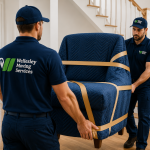
14. Protect Furniture
Use moving blankets and furniture wrap to prevent scratches and dents.
Professional movers use specialized equipment for this reason.
15. Hire Experienced Professional Movers
The best packing job can still be damaged during transport if handled improperly.
Professional movers know how to:
- Load trucks efficiently
- Secure furniture
- Protect valuables
- Transport fragile items safely
Final Thoughts
Packing is one of the most important parts of a successful move. Planning ahead, using quality supplies, and staying organized can make moving day significantly less stressful.
If you’re planning a move anywhere in Massachusetts, Wellesley Moving provides professional residential and commercial moving services designed to protect your belongings from start to finish.