

New Yorkers Moving to Boston: A 6–8 Week Plan to Cut Housing Costs
For New Yorkers moving to Boston: compare housing costs, follow a 6–8 week plan, pick neighborhoods that fit your family, and get accurate mover quotes.

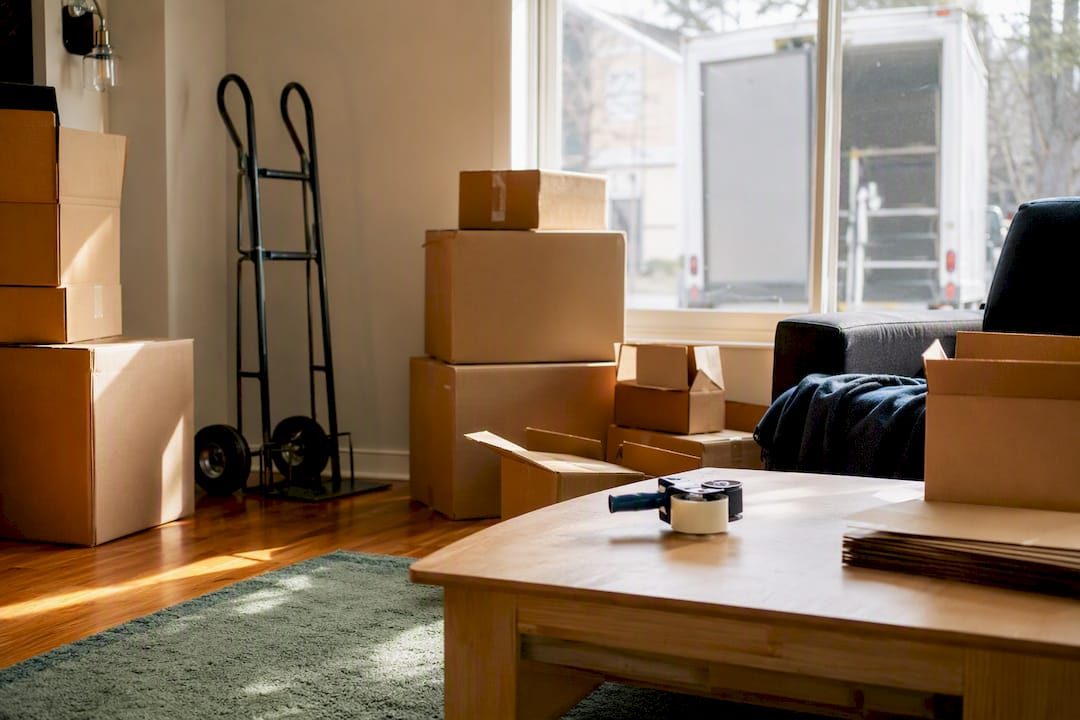
For New Yorkers moving to Boston: compare housing costs, follow a 6–8 week plan, pick neighborhoods that fit your family, and get accurate mover quotes.
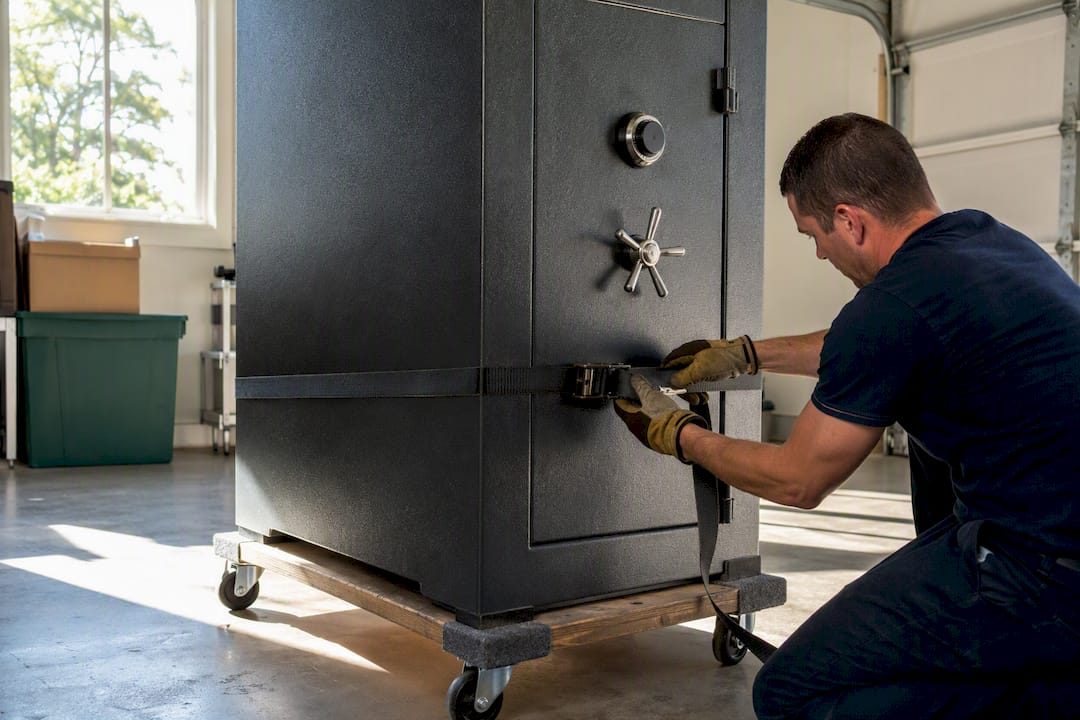
Learn when to DIY your gun safe move and when to hire professionals. Get tips to ensure a safe and efficient relocation.
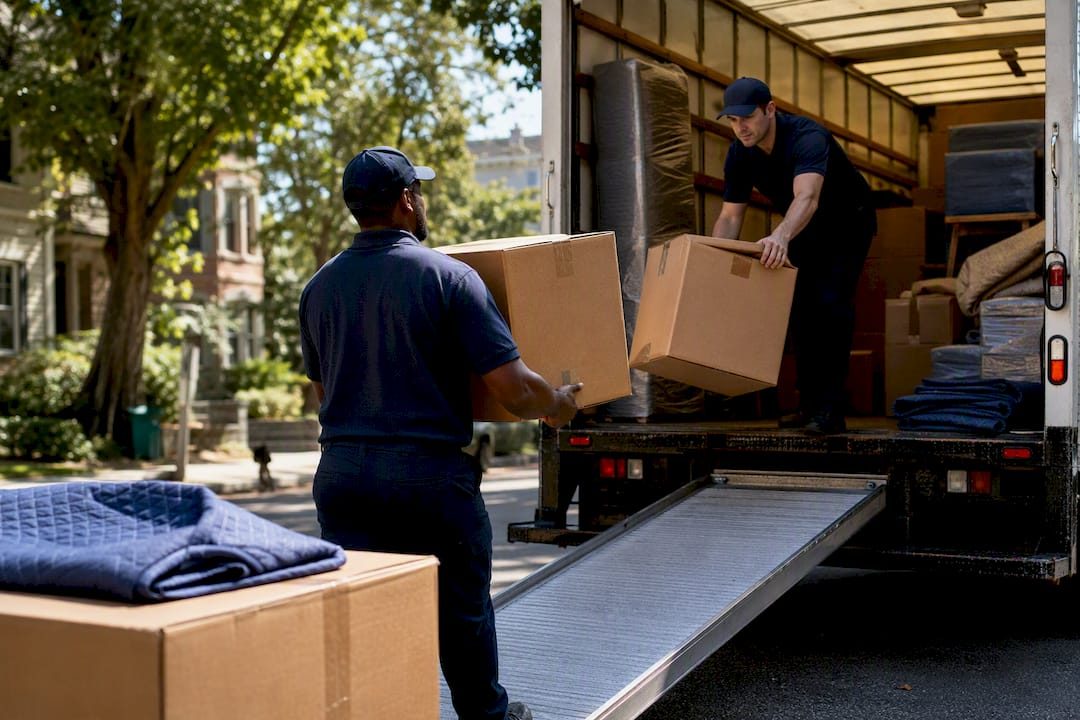
Get a realistic budget for your long-distance move in 2026. Learn key factors that influence costs and avoid surprises on your final bill.
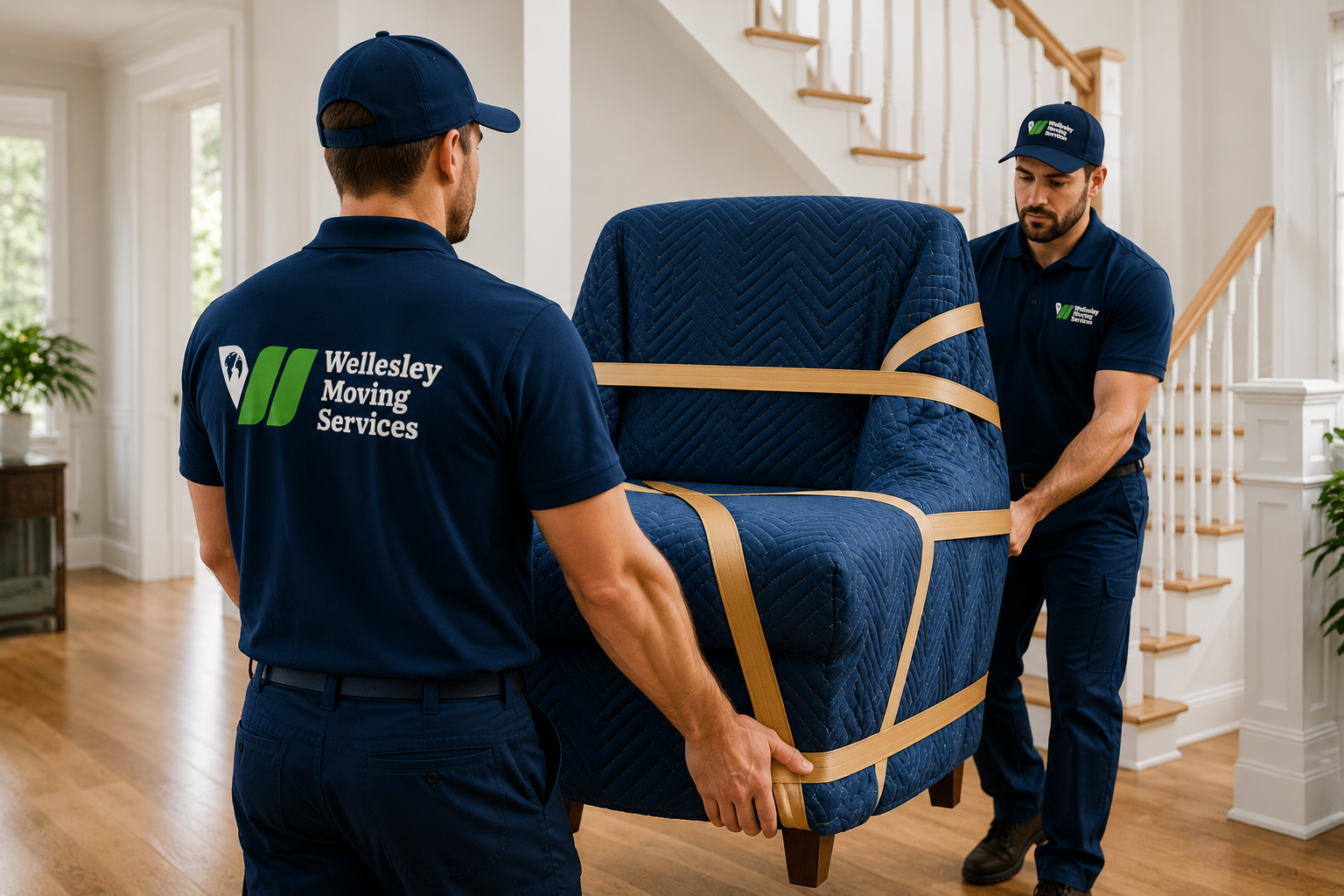
For many homeowners, moving day isn’t actually the hardest part of moving.
Packing is.
Packing an entire house can take weeks. Every cabinet has to be emptied. Every fragile item has to be wrapped. Every box has to be assembled, filled, sealed, and labeled.
That’s why more homeowners choose professional packing services.
But is full-service packing worth it?
For the right move, absolutely.
With full-service packing, a professional moving crew packs most or all of your household belongings before the move.
Depending on your needs, this may include:
You can also choose partial packing rather than having the entire home packed.
Professional packing can be particularly valuable for certain moves.
If you’re working full time while simultaneously buying a house and organizing a move, spending nights and weekends packing for a month may not be realistic.
Packing a house while raising children can turn an already busy schedule into complete chaos.
Professional packing reduces the physical work involved and allows homeowners to focus on deciding what will move to the new residence.
Sometimes relocation timelines change quickly.
Professional packers can accomplish in a short period what might otherwise take a homeowner weeks.
The larger the home, the more significant the packing workload becomes.
A home with a finished basement, garage, home office, large kitchen, multiple bedrooms, and years of accumulated belongings can require an enormous number of boxes.
Artwork, antiques, china, mirrors, glassware, and delicate décor require more care than clothing and bedding.
Experienced packers know how to use the correct packing materials and techniques for different belongings.
Full-service doesn’t have to be all or nothing.
Some homeowners pack clothing, books, and simple belongings themselves while asking professionals to handle:
This provides professional protection where it matters most while controlling costs.
Good packing isn’t simply about getting everything into boxes.
A systematic packing process can make unloading and unpacking dramatically easier.
Boxes should be labeled by room and, when useful, by general contents.
That allows movers to bring each box directly to the proper destination instead of creating one enormous pile.
One of the easiest ways for a move to fall behind schedule is unfinished packing.
Movers arrive and discover open boxes, loose belongings, dishes still in cabinets, electronics connected, and closets that haven’t been touched.
When the house is properly packed before loading begins, the moving crew can focus on moving.
Even when using professional packing services, keep certain belongings with you.
These may include:
Yes, professional packing adds to the cost of a move because it involves additional labor and materials.
The question is whether the time, convenience, organization, and protection are worth the added expense.
For many households, especially larger or more complicated moves, the answer is yes.
Instead of spending several weekends surrounded by boxes, you can focus on utilities, paperwork, closing details, family responsibilities, and preparing the new home.
Every move is different.
Some homeowners only need help packing a few fragile rooms. Others want their entire home professionally prepared.
Wellesley Moving offers packing services alongside its residential moving services, giving homeowners the flexibility to choose the level of assistance they need.
Contact Wellesley Moving today for a free estimate and ask about packing options for your upcoming move.
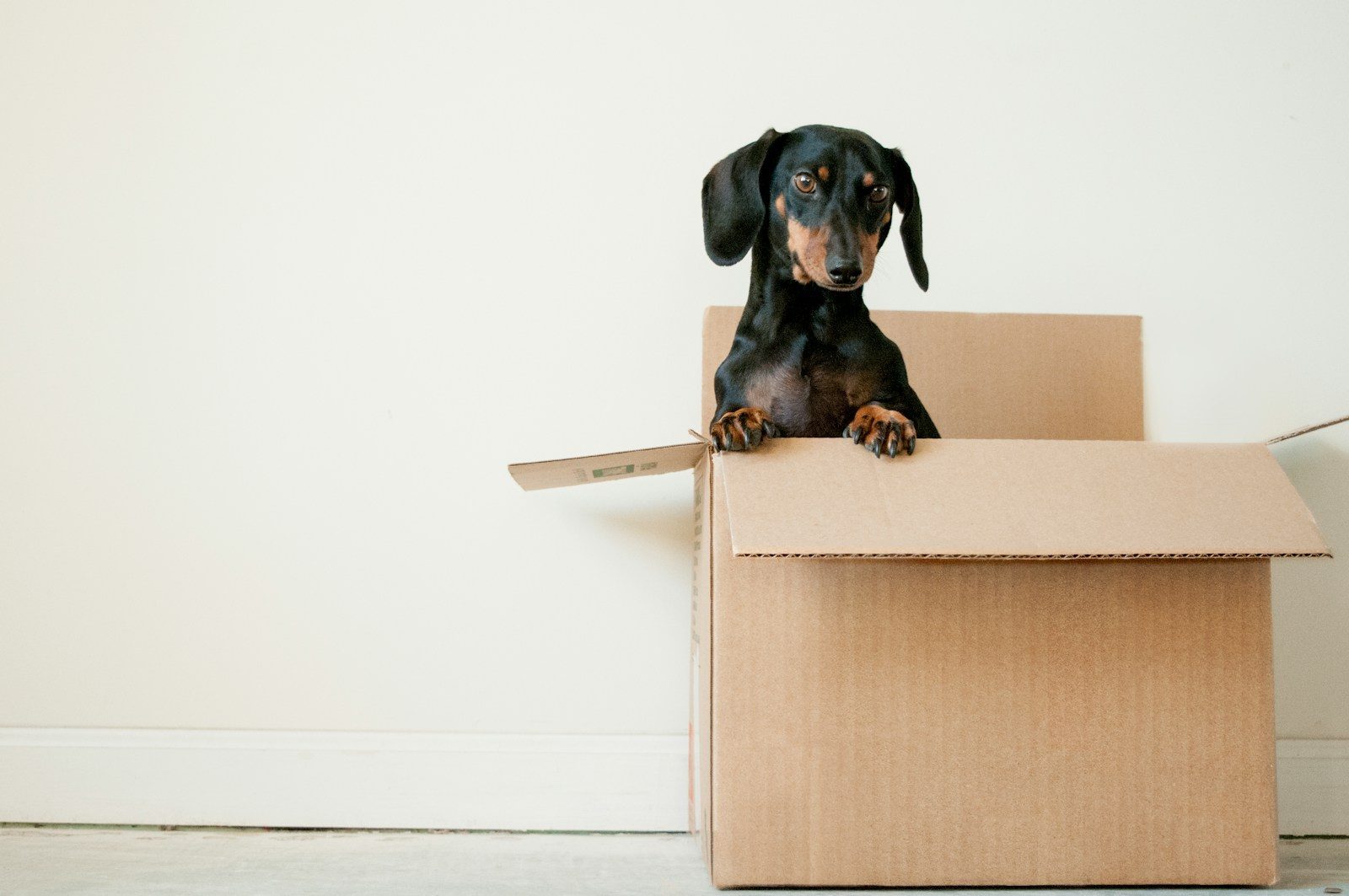
Most people underestimate how much they own. Begin packing at least three to four weeks before moving day. Start with seasonal decorations, storage items, books, and rarely used belongings.
Why pay to move things you no longer need?
Donate clothes, furniture, kitchen items, and household goods you haven’t used in the last year. Less clutter means:
Old grocery boxes might seem free, but they’re often weakened by moisture.
Professional moving boxes are designed to stack safely and protect your belongings.
Heavy boxes break.
Keep boxes under approximately 50 pounds whenever possible.
Books belong in small boxes, while pillows and bedding belong in large boxes.
Write the following on every box:
This saves enormous amounts of time during unloading.
Pack one box with:
You’ll thank yourself on moving day.
Use packing paper, bubble wrap, or towels.
Never allow glasses or dishes to touch each other directly.
Garment boxes make moving closets incredibly simple.
Your clothes arrive wrinkle-free and organized.
Take pictures of cable connections before disconnecting them.
Place cords in labeled bags and tape them to the device.
Professional movers cannot transport:
Dispose of these properly before moving.
Boxes should be full without being overloaded.
Use towels, blankets, or packing paper to prevent shifting.
Use heavy-duty packing tape.
Tape both the top and bottom seams.
Avoid mixing rooms together.
This makes unpacking dramatically easier.
Use moving blankets and furniture wrap to prevent scratches and dents.
Professional movers use specialized equipment for this reason.
The best packing job can still be damaged during transport if handled improperly.
Professional movers know how to:
Packing is one of the most important parts of a successful move. Planning ahead, using quality supplies, and staying organized can make moving day significantly less stressful.
If you’re planning a move anywhere in Massachusetts, Wellesley Moving provides professional residential and commercial moving services designed to protect your belongings from start to finish.

Local moves are typically priced differently than long-distance moves. A move across town costs considerably less than relocating to another state.
More belongings require:
A one-bedroom apartment costs much less than moving a five-bedroom home.
Factors that increase labor include:
These details affect the time required to complete your move.
Heavy or delicate items require extra care. Examples include:
Professional equipment ensures these items are moved safely.
Summer weekends are the busiest—and often most expensive—times to move. Scheduling during weekdays or off-season months can help reduce costs.
If you’re comfortable packing, doing so before moving day can lower labor costs.
The less you move, the less you’ll pay. Selling or donating unused items benefits both your wallet and your new home.
Having everything packed before the movers arrive prevents unnecessary delays.
A surprisingly low estimate may indicate:
Always choose a licensed, insured, and highly reviewed moving company.
Our customers appreciate:
We believe every move should be efficient, stress-free, and fairly priced.
Every move is unique. The best way to understand your moving costs is to request a personalized quote based on your home, timeline, and destination. Contact Wellesley Moving today for a free, no-obligation moving estimate.

Moving is exciting—but small mistakes can quickly become expensive. Here are ten of the most common moving mistakes and how to avoid them.
Quality moving companies often book weeks in advance. Reserve your moving date as early as possible.
Always measure:
This prevents surprises on moving day.
Packing nearly always takes longer than expected. Create a packing schedule and stick to it.
You’ll spend hours searching for essentials after moving. Clear labels save enormous amounts of frustration.
Important documents should travel with you. Keep items such as:
in a personal bag.
Schedule utility transfers before moving day. Remember:
Running out of boxes wastes valuable time. Purchase extra tape, boxes, bubble wrap, and packing paper.
Heavy lifting causes injuries every year. Professional movers have the training and equipment to move heavy furniture safely.
Use floor runners or cardboard to prevent scratches during your move. Professional movers typically take precautions to protect both homes.
Reviews, experience, licensing, and customer service matter. Hiring experienced movers often saves money by avoiding damaged belongings and unexpected delays.
Moving doesn’t have to be stressful. Planning ahead, staying organized, and working with experienced professionals can make your relocation significantly easier. At Wellesley Moving, we help families and businesses throughout Massachusetts enjoy smooth, efficient moves with dependable service and transparent communication.
If you’re preparing for an upcoming move, contact Wellesley Moving today for a free quote and discover why so many Massachusetts residents trust our team with their relocation needs.
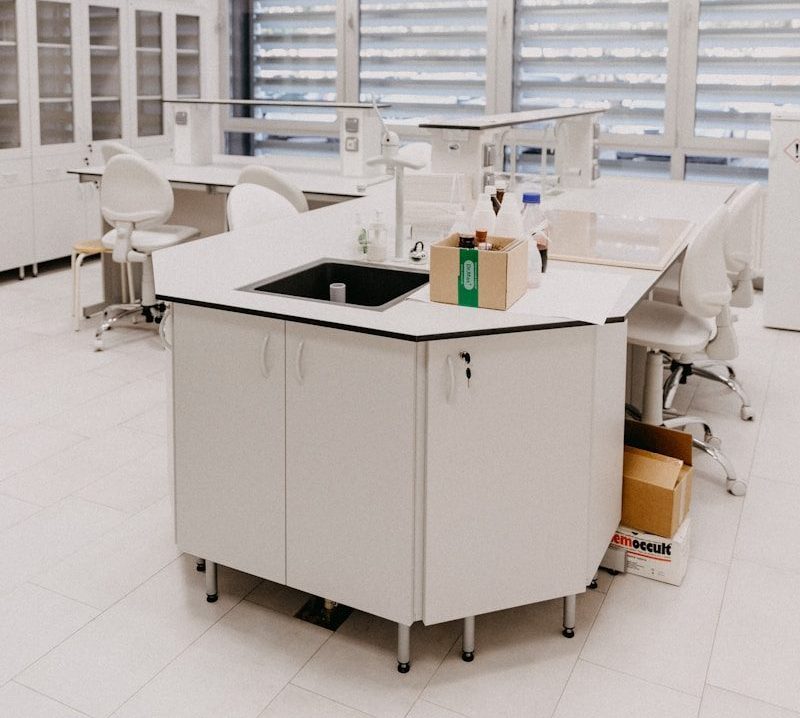
Moving a laboratory isn’t an ordinary commercial relocation.
An office contains desks, computers, files, and furniture. A research laboratory may contain sensitive instruments, specialized equipment, frozen biological materials, calibrated systems, delicate microscopes, and research that cannot simply be replaced.
That means a successful laboratory move begins long before moving day.
Start by identifying the people responsible for different parts of the project.
Depending on the laboratory, that may include:
Assigning responsibilities early prevents important tasks from falling between departments.
Create a detailed inventory before anything is packed.
Include:
Photographs are also valuable.
For a large facility, consider assigning every item a label that corresponds to its exact destination.
Some instruments may require manufacturer-approved technicians for shutdown, preparation, recalibration, or restart.
Find that out early.
You don’t want to discover on moving day that a piece of equipment can’t legally or safely be disconnected by the moving crew.
Coordinate service technicians with the overall relocation schedule.
Ideally, every major item should have an assigned location before it leaves the existing facility.
Confirm:
You should know exactly where critical equipment is going before the truck is loaded.
Not everything has the same importance.
Create categories for equipment that must be operational first.
For example:
Priority 1: Equipment required immediately
Priority 2: Equipment needed within the first several days
Priority 3: Noncritical equipment and storage
This allows the move to be sequenced around restarting operations.
Frozen biological materials require a dedicated plan.
Temperature-sensitive materials cannot simply be handled like ordinary moving boxes.
Determine:
The moving schedule should minimize the time these materials spend outside their normal environment.
Laboratory instruments may be sensitive to vibration, impact, orientation, temperature, or moisture.
Specialized packing may be required for microscopes, balances, HPLC equipment, analytical instruments, and other delicate systems.
Wellesley Moving’s laboratory division specifically handles equipment ranging from -80 freezers to HPLC machines and offers frozen biological packing and transportation services.
One of the biggest costs of a laboratory relocation isn’t the move itself.
It’s lost productivity.
Create a sequence that allows critical functions to shut down as late as possible and restart as early as possible.
In some cases, relocating the laboratory in phases can keep portions of the operation functional throughout the transition.
Once equipment arrives, verify items against the inventory before the project is considered complete.
Check for:
Document any issues immediately.
Boston and Cambridge are home to an enormous concentration of universities, medical institutions, biotech companies, and research organizations.
For these organizations, moving isn’t simply about transporting furniture.
It’s about protecting expensive equipment, irreplaceable research, and business continuity.
Wellesley Moving provides specialized laboratory relocation services in Boston and beyond.
Contact our team to discuss your upcoming laboratory relocation and request a customized moving estimate.

Trading a Massachusetts winter for Florida sunshine is an appealing idea for many New England families and retirees.
But moving from Boston to Florida isn’t simply a larger version of a local move.
You’re relocating your belongings more than a thousand miles, potentially coordinating closing dates, changing climates, transporting vehicles, and planning around a much longer delivery schedule.
Here’s how to make the transition easier.
Long-distance moves require more coordination than local moves.
Give yourself time to:
If you’re moving during summer or around the end of the month, scheduling early becomes even more important.
A long-distance move is an excellent opportunity to evaluate what you actually want in your new home.
Moving furniture you plan to replace shortly after arriving doesn’t always make sense.
Go room by room and create categories:
Move
Sell
Donate
Discard
Consider your new floor plan and Florida lifestyle when deciding what makes the trip.
Massachusetts and Florida have dramatically different environments.
You may use some belongings far less frequently after moving.
Heavy winter equipment, snow blowers, large collections of winter clothing, and other cold-weather possessions may no longer justify the space they occupy.
At the same time, humidity can become a consideration for wood furniture, artwork, documents, and other sensitive belongings once you arrive.
Items traveling from Massachusetts to Florida spend considerably more time in transit than belongings being moved across town.
Use sturdy boxes and proper packing materials.
Fragile belongings should be individually protected, and boxes should be packed tightly enough to prevent excessive internal movement.
Label every box clearly with both its contents and destination room.
Some things shouldn’t go on the moving truck.
Keep these personally accessible:
Prepare for the possibility that you may arrive before all household belongings are available.
If possible, make sure the new home is ready before the moving truck arrives.
Confirm:
For condominium communities, ask about moving hours, elevator reservations, gate access, and moving-company documentation well in advance.
Sometimes the Massachusetts house sells before the Florida home is ready.
Rather than forcing the dates to align, short-term storage may provide the flexibility you need.
Your belongings can remain stored until the new residence is available for delivery.
After traveling from Massachusetts to Florida, the last thing you’ll want to do is search through dozens of boxes.
Pack essentials separately.
Include bedding, towels, toiletries, chargers, medications, coffee supplies, basic kitchen items, and clothes for several days.
Long-distance moving requires careful coordination.
Ask prospective movers about:
A clear plan before the truck leaves Massachusetts helps prevent surprises once you arrive in Florida.
Boston-to-Florida relocations are among the long-distance routes Wellesley Moving serves.
If you’re preparing to relocate from Massachusetts to Florida, contact Wellesley Moving for a free estimate and a long-distance moving plan designed around your schedule.

Moving a sofa and moving a 100-year-old family heirloom are not the same job.
Homes throughout Wellesley, Weston, Dover, Newton, and Greater Boston often contain antiques, original artwork, custom furniture, sculptures, mirrors, pianos, and other belongings that require additional planning.
When an item is valuable, fragile, irreplaceable, or simply deeply sentimental, proper preparation matters.
Don’t wait until the moving crew arrives to mention that a particular table is an antique or that a painting has significant value.
Identify specialty items during the estimating and planning process.
Examples include:
This gives your moving company an opportunity to determine the proper materials, equipment, and handling plan ahead of time.
Before packing or moving high-value belongings, take photographs.
Capture:
These images provide a useful condition record and can also help with inventory.
A cardboard box and a roll of tape aren’t appropriate for every possession.
Different objects require different protection.
Fine artwork may require specialized wrapping. Large mirrors need rigid protection. Antique furniture needs protection around delicate finishes, legs, corners, and hardware.
The goal isn’t simply to cover an item.
It’s to protect it against impact, movement, pressure, moisture, abrasion, and vibration during transportation.
Furniture with removable shelves, glass tops, decorative pieces, or loose hardware should usually be prepared before transport.
Small components can be individually protected and labeled so they aren’t lost.
Keeping hardware associated with the correct piece also makes reassembly easier at the new home.
Older furniture finishes can react differently to pressure, adhesive products, moisture, and temperature changes.
Never assume a material that’s safe for a modern mass-produced table is appropriate for an antique piece.
When in doubt, have the item evaluated and professionally packed.
Protecting the item itself is only half the job.
You also have to get it out of the house.
Before moving a large or valuable piece, consider:
Sometimes a piece needs to be partially disassembled before it can safely leave the room.
Heavy furniture can damage hardwood floors, walls, doors, stairs, and trim if the moving environment isn’t properly prepared.
This is particularly important in historic homes or properties with custom finishes.
Professional floor protection and carefully planned paths can protect both the belongings you’re moving and the home you’re leaving.
If you’re transporting multiple high-value items, create a written inventory.
Include a short description and destination room.
This becomes particularly helpful during large household or long-distance moves.
Never wait until after something happens to understand your moving protection options.
Ask questions before signing your moving agreement so you understand what coverage applies to your belongings and whether additional protection should be considered for particularly valuable items.
There is no substitute for people who regularly handle difficult belongings.
Experienced movers understand how weight is distributed, where furniture is vulnerable, what can be disassembled, and how items should be secured inside the truck.
That knowledge becomes especially important when the item you’re moving can’t simply be replaced.
Whether you’re relocating an entire household or moving a collection of specialty items, proper planning can significantly reduce risk.
Wellesley Moving provides professional residential moving and packing services throughout Greater Boston and MetroWest.
Contact our team for a free moving estimate and tell us about any antiques, artwork, heirlooms, or specialty furniture during the planning process.