

New Yorkers Moving to Boston: A 6–8 Week Plan to Cut Housing Costs
For New Yorkers moving to Boston: compare housing costs, follow a 6–8 week plan, pick neighborhoods that fit your family, and get accurate mover quotes.


For New Yorkers moving to Boston: compare housing costs, follow a 6–8 week plan, pick neighborhoods that fit your family, and get accurate mover quotes.
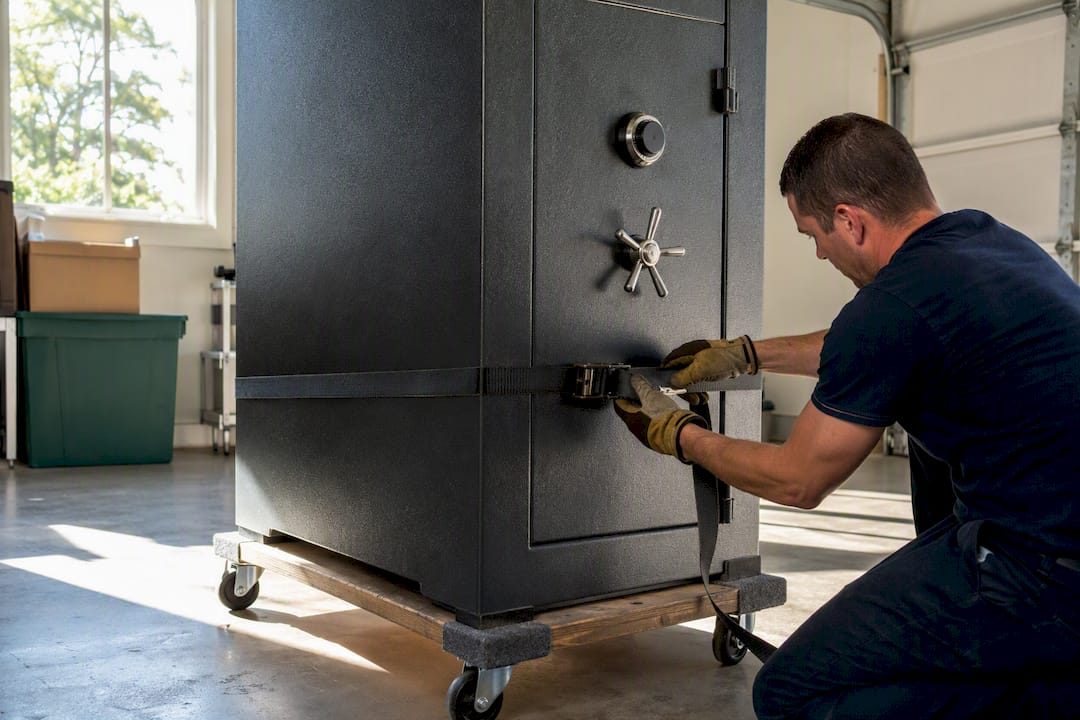
Learn when to DIY your gun safe move and when to hire professionals. Get tips to ensure a safe and efficient relocation.
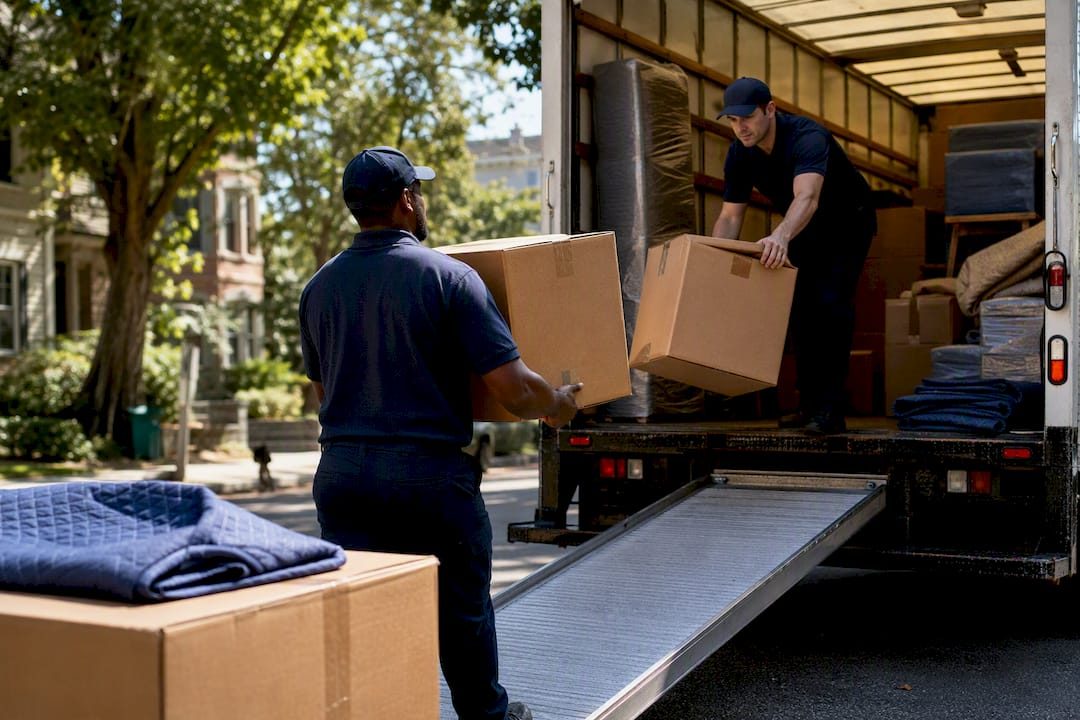
Get a realistic budget for your long-distance move in 2026. Learn key factors that influence costs and avoid surprises on your final bill.

Most people underestimate how much they own. Begin packing at least three to four weeks before moving day. Start with seasonal decorations, storage items, books, and rarely used belongings.
Why pay to move things you no longer need?
Donate clothes, furniture, kitchen items, and household goods you haven’t used in the last year. Less clutter means:
Old grocery boxes might seem free, but they’re often weakened by moisture.
Professional moving boxes are designed to stack safely and protect your belongings.
Heavy boxes break.
Keep boxes under approximately 50 pounds whenever possible.
Books belong in small boxes, while pillows and bedding belong in large boxes.
Write the following on every box:
This saves enormous amounts of time during unloading.
Pack one box with:
You’ll thank yourself on moving day.
Use packing paper, bubble wrap, or towels.
Never allow glasses or dishes to touch each other directly.
Garment boxes make moving closets incredibly simple.
Your clothes arrive wrinkle-free and organized.
Take pictures of cable connections before disconnecting them.
Place cords in labeled bags and tape them to the device.
Professional movers cannot transport:
Dispose of these properly before moving.
Boxes should be full without being overloaded.
Use towels, blankets, or packing paper to prevent shifting.
Use heavy-duty packing tape.
Tape both the top and bottom seams.
Avoid mixing rooms together.
This makes unpacking dramatically easier.
Use moving blankets and furniture wrap to prevent scratches and dents.
Professional movers use specialized equipment for this reason.
The best packing job can still be damaged during transport if handled improperly.
Professional movers know how to:
Packing is one of the most important parts of a successful move. Planning ahead, using quality supplies, and staying organized can make moving day significantly less stressful.
If you’re planning a move anywhere in Massachusetts, Wellesley Moving provides professional residential and commercial moving services designed to protect your belongings from start to finish.

Local moves are typically priced differently than long-distance moves. A move across town costs considerably less than relocating to another state.
More belongings require:
A one-bedroom apartment costs much less than moving a five-bedroom home.
Factors that increase labor include:
These details affect the time required to complete your move.
Heavy or delicate items require extra care. Examples include:
Professional equipment ensures these items are moved safely.
Summer weekends are the busiest—and often most expensive—times to move. Scheduling during weekdays or off-season months can help reduce costs.
If you’re comfortable packing, doing so before moving day can lower labor costs.
The less you move, the less you’ll pay. Selling or donating unused items benefits both your wallet and your new home.
Having everything packed before the movers arrive prevents unnecessary delays.
A surprisingly low estimate may indicate:
Always choose a licensed, insured, and highly reviewed moving company.
Our customers appreciate:
We believe every move should be efficient, stress-free, and fairly priced.
Every move is unique. The best way to understand your moving costs is to request a personalized quote based on your home, timeline, and destination. Contact Wellesley Moving today for a free, no-obligation moving estimate.

Moving is exciting—but small mistakes can quickly become expensive. Here are ten of the most common moving mistakes and how to avoid them.
Quality moving companies often book weeks in advance. Reserve your moving date as early as possible.
Always measure:
This prevents surprises on moving day.
Packing nearly always takes longer than expected. Create a packing schedule and stick to it.
You’ll spend hours searching for essentials after moving. Clear labels save enormous amounts of frustration.
Important documents should travel with you. Keep items such as:
in a personal bag.
Schedule utility transfers before moving day. Remember:
Running out of boxes wastes valuable time. Purchase extra tape, boxes, bubble wrap, and packing paper.
Heavy lifting causes injuries every year. Professional movers have the training and equipment to move heavy furniture safely.
Use floor runners or cardboard to prevent scratches during your move. Professional movers typically take precautions to protect both homes.
Reviews, experience, licensing, and customer service matter. Hiring experienced movers often saves money by avoiding damaged belongings and unexpected delays.
Moving doesn’t have to be stressful. Planning ahead, staying organized, and working with experienced professionals can make your relocation significantly easier. At Wellesley Moving, we help families and businesses throughout Massachusetts enjoy smooth, efficient moves with dependable service and transparent communication.
If you’re preparing for an upcoming move, contact Wellesley Moving today for a free quote and discover why so many Massachusetts residents trust our team with their relocation needs.

Trading a Massachusetts winter for Florida sunshine is an appealing idea for many New England families and retirees.
But moving from Boston to Florida isn’t simply a larger version of a local move.
You’re relocating your belongings more than a thousand miles, potentially coordinating closing dates, changing climates, transporting vehicles, and planning around a much longer delivery schedule.
Here’s how to make the transition easier.
Long-distance moves require more coordination than local moves.
Give yourself time to:
If you’re moving during summer or around the end of the month, scheduling early becomes even more important.
A long-distance move is an excellent opportunity to evaluate what you actually want in your new home.
Moving furniture you plan to replace shortly after arriving doesn’t always make sense.
Go room by room and create categories:
Move
Sell
Donate
Discard
Consider your new floor plan and Florida lifestyle when deciding what makes the trip.
Massachusetts and Florida have dramatically different environments.
You may use some belongings far less frequently after moving.
Heavy winter equipment, snow blowers, large collections of winter clothing, and other cold-weather possessions may no longer justify the space they occupy.
At the same time, humidity can become a consideration for wood furniture, artwork, documents, and other sensitive belongings once you arrive.
Items traveling from Massachusetts to Florida spend considerably more time in transit than belongings being moved across town.
Use sturdy boxes and proper packing materials.
Fragile belongings should be individually protected, and boxes should be packed tightly enough to prevent excessive internal movement.
Label every box clearly with both its contents and destination room.
Some things shouldn’t go on the moving truck.
Keep these personally accessible:
Prepare for the possibility that you may arrive before all household belongings are available.
If possible, make sure the new home is ready before the moving truck arrives.
Confirm:
For condominium communities, ask about moving hours, elevator reservations, gate access, and moving-company documentation well in advance.
Sometimes the Massachusetts house sells before the Florida home is ready.
Rather than forcing the dates to align, short-term storage may provide the flexibility you need.
Your belongings can remain stored until the new residence is available for delivery.
After traveling from Massachusetts to Florida, the last thing you’ll want to do is search through dozens of boxes.
Pack essentials separately.
Include bedding, towels, toiletries, chargers, medications, coffee supplies, basic kitchen items, and clothes for several days.
Long-distance moving requires careful coordination.
Ask prospective movers about:
A clear plan before the truck leaves Massachusetts helps prevent surprises once you arrive in Florida.
Boston-to-Florida relocations are among the long-distance routes Wellesley Moving serves.
If you’re preparing to relocate from Massachusetts to Florida, contact Wellesley Moving for a free estimate and a long-distance moving plan designed around your schedule.
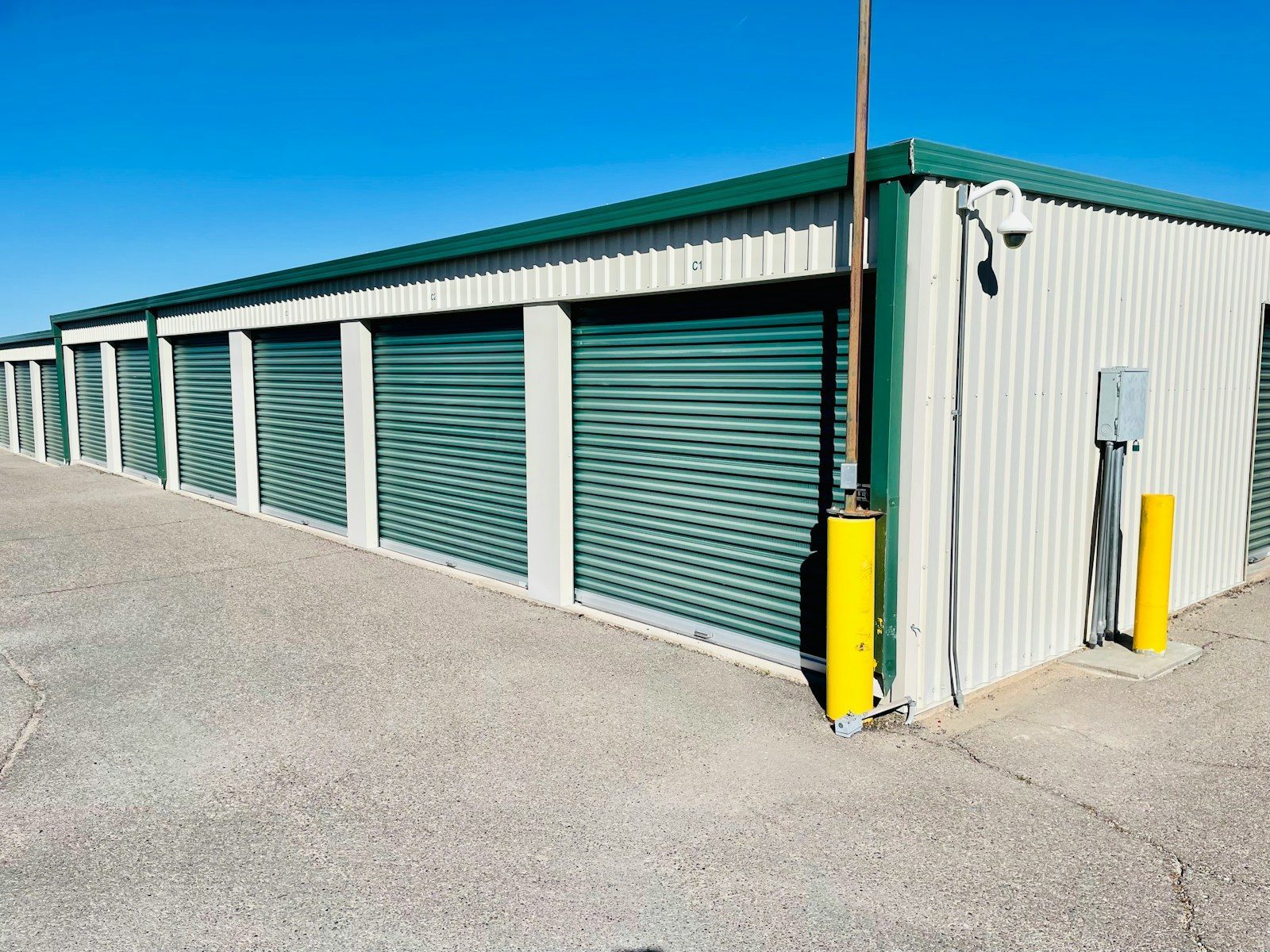
In a perfect real estate transaction, you’d close on your old house in the morning, close on your new house that afternoon, and move directly from one property to the other.
Real estate doesn’t always cooperate.
Your home may sell before your next home is available. New construction may be delayed. A closing could be pushed back. You might need temporary housing for several weeks or months.
Fortunately, mismatched closing dates don’t have to turn your move into chaos.
A moving-and-storage plan can bridge the gap.
There are many reasons buyers and sellers find themselves temporarily between homes.
Common examples include:
The important thing is recognizing the possibility early enough to plan around it.
Instead of moving everything into temporary housing, your movers can transport most household belongings directly into storage.
You keep only the things you’ll need during the transition.
This can be much easier than moving an entire household twice.
Create a temporary-living inventory.
Keep items such as:
Everything else can potentially remain stored until your permanent home is ready.
Don’t send boxes into storage randomly.
Clearly mark any boxes you might need during the storage period.
Better yet, separate belongings into:
Temporary Housing
Storage — May Need
Storage — New House
If something unexpected comes up, you’ll have a much better idea where to find it.
Not every item should sit in an uncontrolled environment through a Massachusetts summer or winter.
Climate-controlled storage can provide additional protection for items such as:
Ask your moving and storage provider about the appropriate environment for your belongings.
Furniture may spend weeks or months stored before returning to a home.
Proper preparation matters.
Items should be appropriately wrapped and protected before entering storage, especially upholstered furniture, wood pieces, mirrors, glass, and delicate finishes.
Don’t wait until your new closing date is finalized to start thinking about delivery.
As soon as you have a likely timeframe, speak with your moving company.
That becomes particularly important during busy spring and summer moving seasons.
Even when closing dates do line up, some homeowners intentionally use storage.
Why?
Because moving everything into a new house at once can create mountains of boxes and furniture.
Temporarily storing less-needed belongings allows you to:
Then the remaining items can be delivered once you’re ready.
A closing-date gap may feel like a major problem when you first discover it.
With the right plan, however, it becomes a manageable logistics issue.
Instead of moving the entire household into temporary accommodations and then moving it again, professional moving and storage can create a smoother transition between homes.
If your closing dates don’t line up, Wellesley Moving can help you build a moving and storage plan around the gap.
Contact Wellesley Moving today to request a free estimate for your upcoming move.

Moving into a Boston apartment or condo can be very different from moving into a suburban home. Elevators, loading zones, narrow staircases, building rules, limited parking, and busy streets can all affect how smoothly moving day goes.
Whether you’re relocating within Boston or moving from Wellesley, Newton, Needham, Natick, or another Greater Boston community into the city, a little extra preparation can save hours of frustration.
Here are the biggest things to consider before your apartment or condo move.
Before scheduling your movers, speak with your property manager, landlord, or condominium association.
Some buildings have specific rules regarding:
Don’t assume you’ll be able to simply pull up and begin unloading.
Getting these details several weeks in advance gives both you and your moving company time to prepare.
If your building has a freight elevator, you may need to reserve it for a specific window.
This can significantly affect your moving schedule.
If you only have the elevator from 9:00 a.m. until noon, for example, your moving crew needs to plan loading, transportation, and arrival around that window.
Ask whether the elevator reservation applies to your old building, your new building, or both.
Parking is often one of the biggest challenges when moving in Boston.
A moving truck requires considerably more space than a passenger vehicle, and parking several blocks away can add significant time to a move.
Depending on your location, you may need to arrange for temporary parking or a moving truck space ahead of time.
Confirm exactly where your movers will be able to park at both addresses.
That sectional sofa that fit perfectly in your previous home may not fit through your new apartment doorway.
Before moving day, measure:
Pay particular attention to oversized couches, bed frames, armoires, desks, dining tables, and exercise equipment.
In some situations, furniture may need to be partially disassembled before it can be moved.
Apartment and condo moves often involve traveling through shared spaces.
Professional movers typically take extra precautions around:
This protects not only your belongings but also the property itself.
Condo and apartment spaces can fill up quickly.
Instead of creating one giant stack of boxes near the entrance, clearly label every box with its destination:
Kitchen
Primary Bedroom
Office
Bathroom
Living Room
This allows movers to place boxes directly where they belong and makes unpacking much easier.
Keep one box or bag separate containing everything you’ll need immediately after the move.
Consider including:
You don’t want to search through 40 boxes at midnight looking for your toothbrush.
Boston presents moving challenges you don’t encounter everywhere else.
Traffic, older buildings, narrow streets, parking restrictions, elevators, historic properties, and congested neighborhoods all make local experience important.
An experienced moving company can help identify logistical issues before moving day instead of discovering them after the truck arrives.
Whether you’re moving across Boston or relocating between Boston and the MetroWest area, preparation makes all the difference.
Wellesley Moving helps homeowners, apartment residents, and condominium owners plan organized moves throughout Greater Boston and surrounding communities.
Contact Wellesley Moving today to request a free moving estimate and start planning your move.

Every year, thousands of individuals and families make the move from New York to Massachusetts in search of excellent schools, welcoming communities, strong job opportunities, and a high quality of life. Whether you’re relocating for work, family, retirement, or simply looking for a change of pace, planning ahead can make the transition much smoother.
At Wellesley Moving, we’ve helped many families relocate from New York to Greater Boston and surrounding communities. If you’re considering making Massachusetts your new home, here’s everything you should know before moving.
Massachusetts consistently ranks among the best states for education, healthcare, and economic opportunity. While New York offers incredible culture and energy, many people are looking for:
More suburban communities
Top-ranked public schools
Shorter commutes (depending on location)
Family-friendly neighborhoods
Access to parks and outdoor recreation
Excellent healthcare systems
Strong employment opportunities in technology, healthcare, education, and finance
Communities west of Boston—including Wellesley, Needham, Newton, Natick, Weston, and Dover—continue to attract families relocating from New York.
One of the biggest decisions you’ll make is choosing where to live.
Known for:
Exceptional public schools
Beautiful neighborhoods
Walkable downtown
Convenient commuter rail access
Strong sense of community
Wellesley is especially popular with families relocating from Manhattan, Westchester County, and Long Island.
Needham offers:
Excellent schools
Family-oriented neighborhoods
Easy highway access
Numerous parks and recreation areas
It’s a great option for professionals commuting into Boston.
Newton combines urban convenience with suburban living.
Residents enjoy:
Diverse neighborhoods
Historic homes
Strong schools
Multiple commuter options
Restaurants and shopping
Many former New Yorkers appreciate Newton’s balance between city access and neighborhood feel.
Natick continues to grow in popularity thanks to:
Shopping destinations
Strong schools
Modern developments
Convenient access to Route 9 and the Mass Pike
It’s often more affordable than nearby Wellesley or Weston while still offering excellent amenities.
If you’re looking for larger properties, privacy, and scenic landscapes, Weston and Dover provide some of the most desirable residential communities in Massachusetts.
Every relocation is different, but several factors influence the total cost:
Size of your home
Distance between locations
Number of belongings
Packing services
Specialty furniture
Storage requirements
Timing of your move
Moves from New York City typically require additional planning due to:
Building access restrictions
Elevator reservations
Parking permits
Traffic
Loading zones
Working with an experienced moving company familiar with both New York and Massachusetts helps eliminate many of these logistical challenges.
Unlike a local move, relocating between states involves additional preparation.
We recommend starting your planning 6–8 weeks before moving day.
Your checklist should include:
Hiring professional movers
Updating your address
Transferring utilities
Organizing school records
Scheduling internet installation
Updating vehicle registration
Notifying banks and insurance providers
Creating a detailed moving timeline helps ensure nothing gets overlooked.
Because your belongings will spend more time in transit than during a local move, careful packing becomes even more important.
Professional movers recommend:
Using sturdy moving boxes
Wrapping fragile items individually
Clearly labeling every box
Packing heavier items in smaller boxes
Keeping essential documents with you
Creating an “Open First” box for your first night
Professional packing services can save significant time while providing added protection for fragile belongings.
Many people relocating from New York quickly discover that Massachusetts offers an excellent balance between career opportunities and quality of life.
Some things you’ll notice include:
Massachusetts experiences all four seasons.
Expect:
Beautiful fall foliage
Snowy winters
Mild springs
Warm summers
Each season offers its own outdoor activities and local traditions.
Massachusetts is nationally recognized for its outstanding public schools and higher education institutions.
Families often cite education as one of the primary reasons for relocating.
Residents enjoy easy access to:
Hiking trails
Beaches
Lakes
Ski mountains
Cape Cod
The Berkshires
New Hampshire
Maine
Vermont
Weekend road trips are incredibly popular throughout New England.
Massachusetts consistently ranks among the nation’s leaders in healthcare, with world-renowned hospitals and medical facilities located throughout the Greater Boston area.
While certain Boston-area communities have higher housing costs, many people relocating from New York City find that suburban Massachusetts offers more living space and a different lifestyle. Your overall cost of living will depend on where you choose to settle and your individual housing needs.
Unlike many parts of New York City, most suburban Massachusetts communities are easier to navigate with a vehicle. Public transportation is available in many areas, but having a car provides greater flexibility for commuting and daily errands.
Spring and fall are often ideal due to comfortable weather. Summer remains the busiest moving season, so booking your movers several weeks in advance is recommended.
Long-distance moves require much more coordination than moving across town.
An experienced moving company can help with:
Careful packing
Furniture protection
Efficient truck loading
Transportation logistics
Delivery scheduling
Safe unloading
Professional movers also help reduce the physical stress and uncertainty that often comes with relocating to another state.
At Wellesley Moving, we understand that moving from New York to Massachusetts isn’t just about transporting furniture—it’s about starting the next chapter of your life.
Our experienced team provides:
Professional packing services
Residential moving
Apartment moving
Condo moving
Long-distance moving
Furniture protection
Careful handling of fragile items
Reliable scheduling
Friendly, experienced crews
Whether you’re moving from Manhattan, Brooklyn, Queens, Long Island, Westchester County, or anywhere else in New York, we’re here to make your relocation as smooth and stress-free as possible.
For the best availability, schedule your move at least 6–8 weeks in advance, especially during the summer.
Yes. Wellesley Moving offers full-service and partial packing options, depending on your needs.
Absolutely. We handle apartment, condominium, townhouse, and single-family home moves.
Yes. Our team is experienced in transporting antiques, artwork, pianos, oversized furniture, and other specialty items with care.
If you’re planning a move from New York to Massachusetts, let Wellesley Moving take the stress out of your relocation.
Our experienced team proudly serves Wellesley, Newton, Needham, Natick, Weston, Dover, Boston, and surrounding communities with dependable long-distance moving services.
Contact Wellesley Moving today for a free, no-obligation estimate and discover why so many families trust us for their move to Massachusetts.